Marine ecology through trophic, genetic, spatial, and quantitative approaches
I study how marine predators reflect ecological processes and environmental change, combining field ecology, stable isotopes, molecular tools, remote sensing, and quantitative modelling.
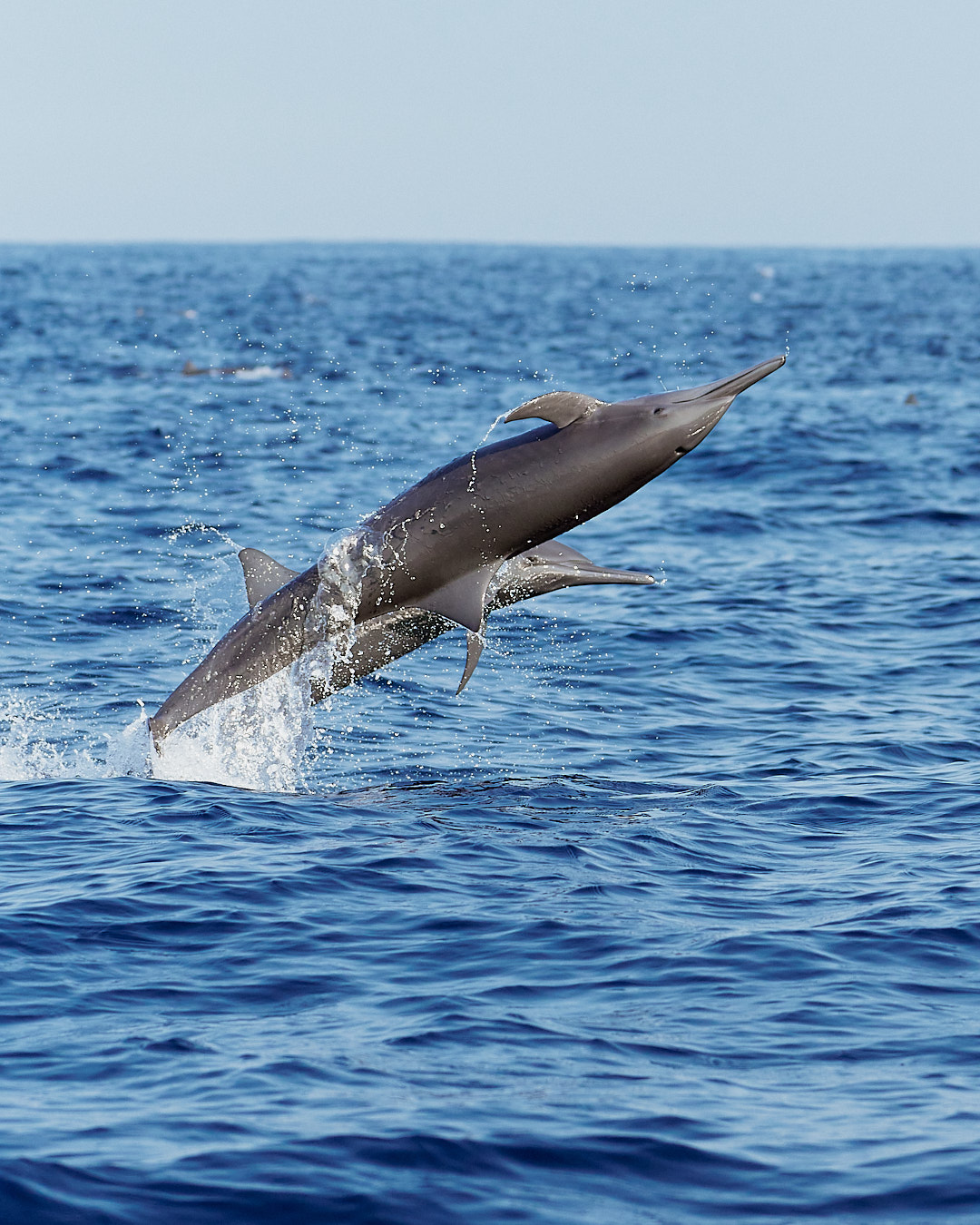
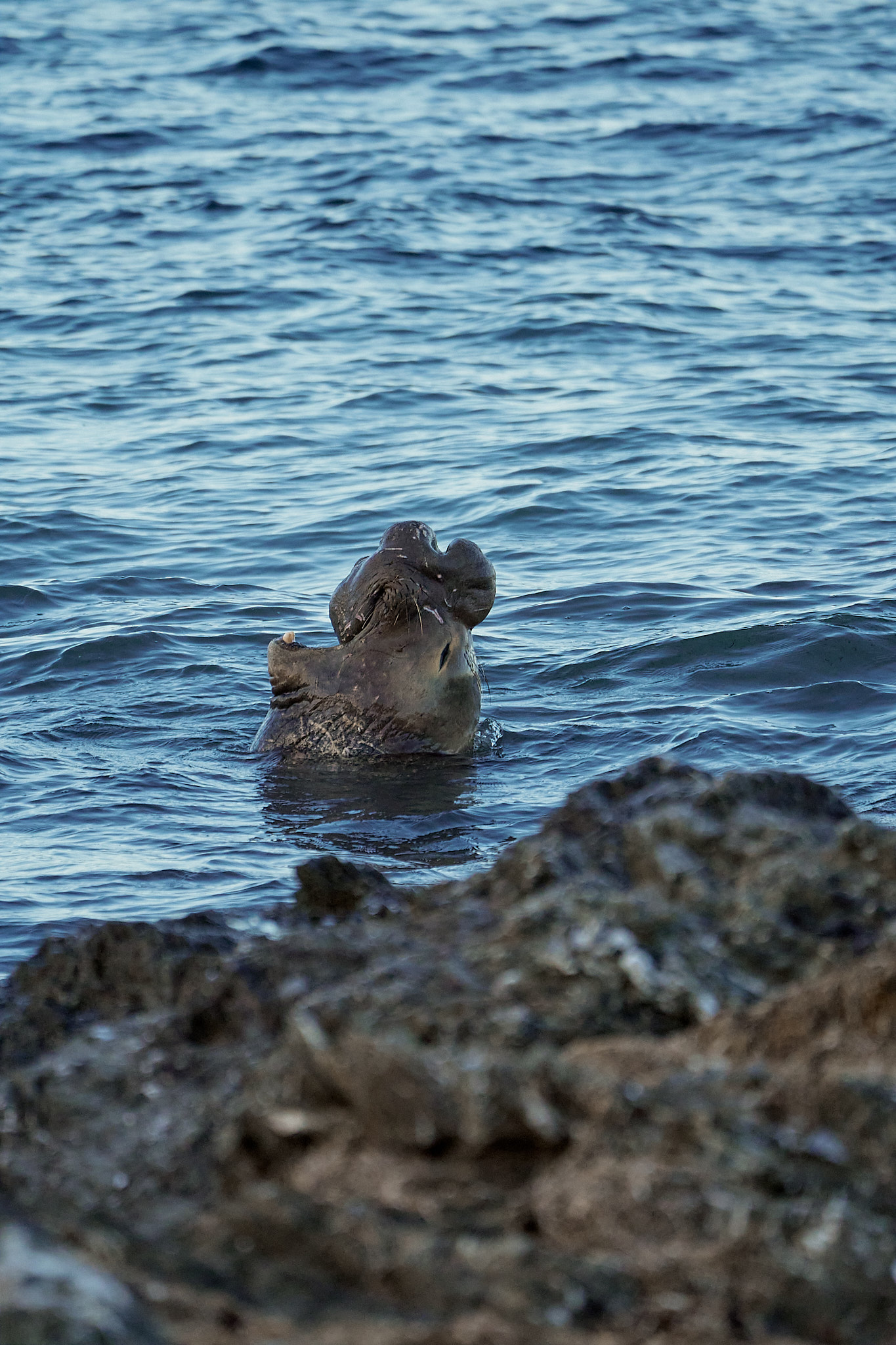
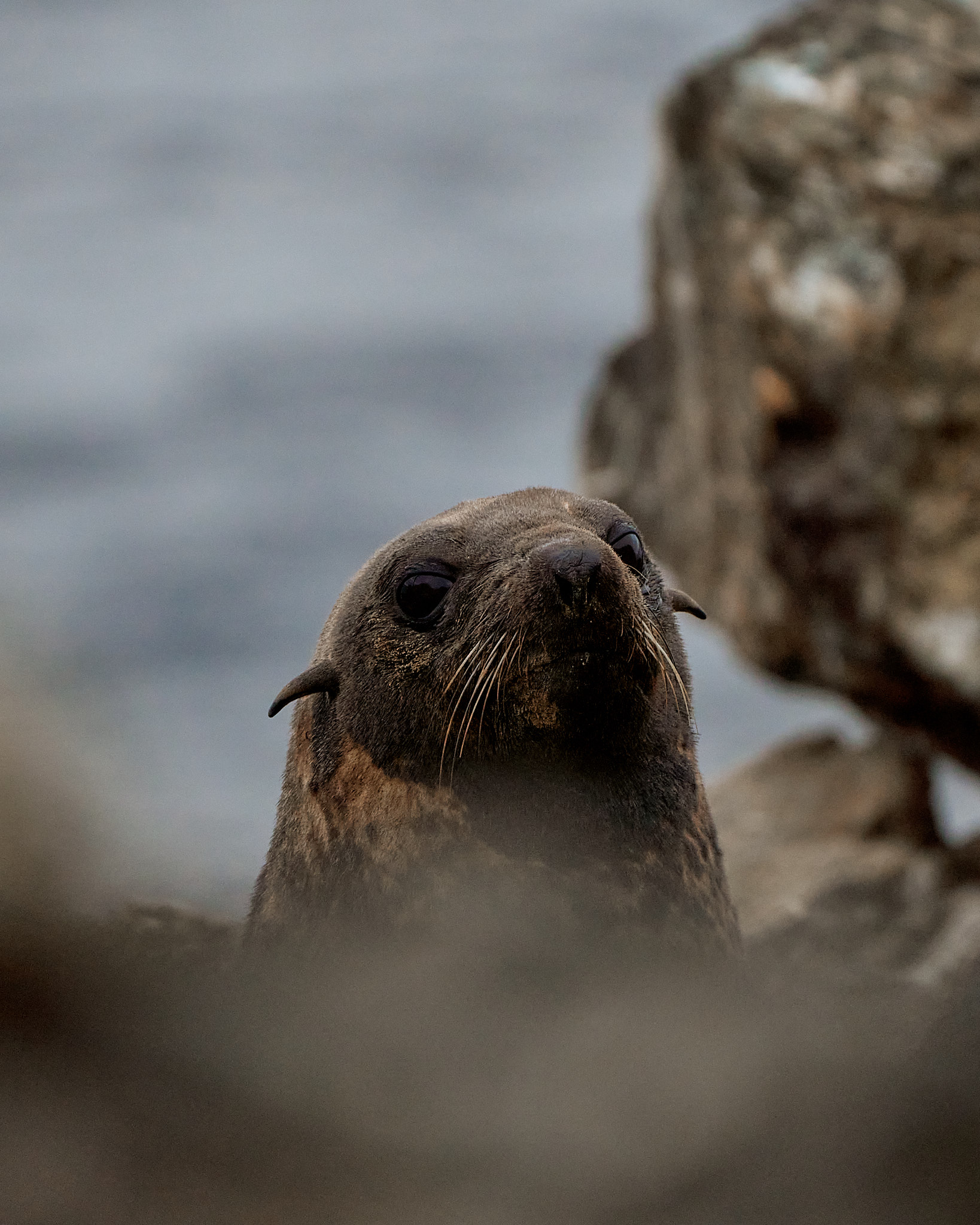
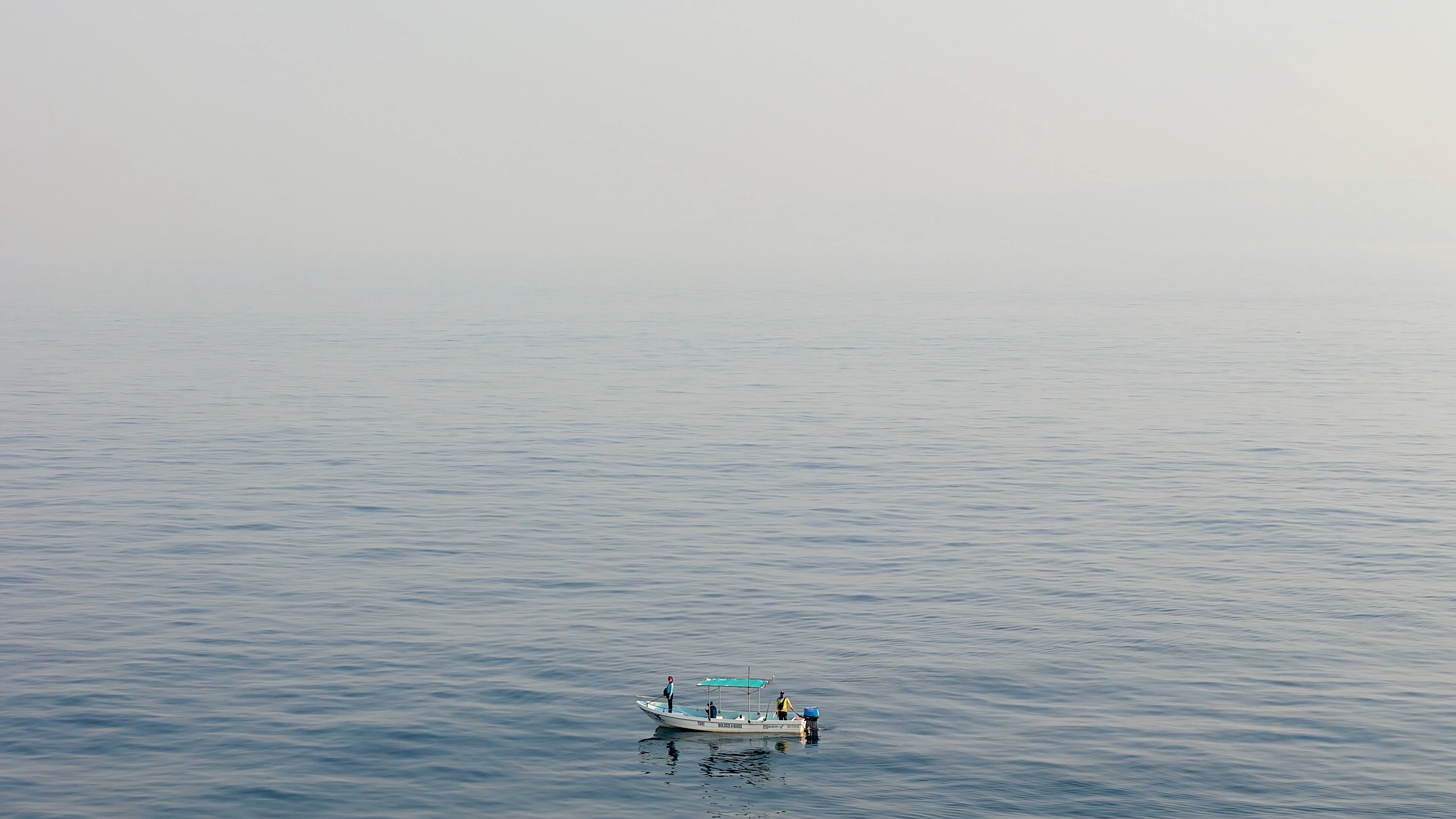
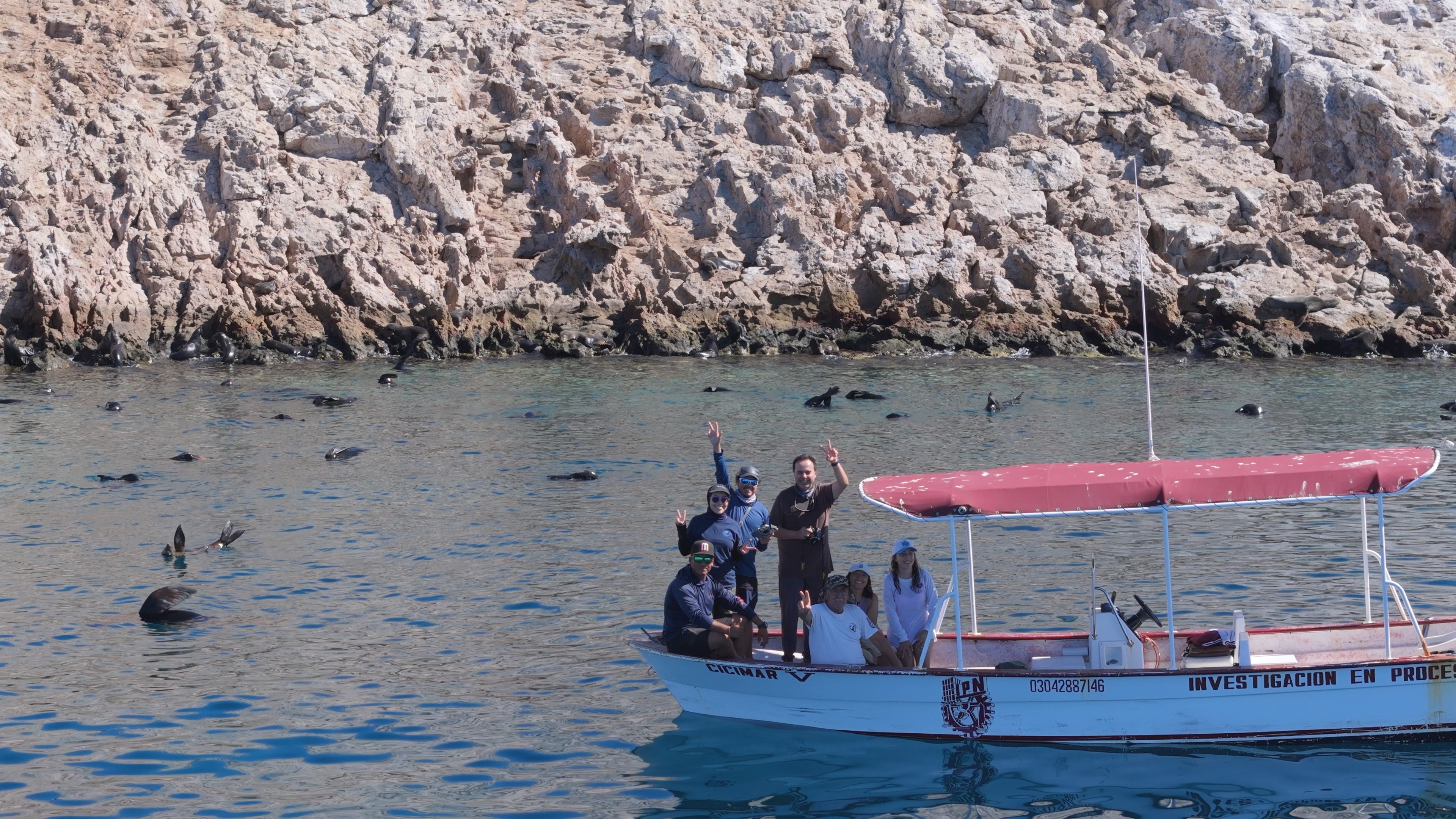
Research topics
My research focuses on how marine predators interact with their environment, how those relationships vary across space and time, and what they can tell us about marine ecosystems.
Ecosystem sentinels
Using marine mammals to understand environmental variability, ecosystem change, and anthropogenic pressures in marine systems.
Trophic & isotope ecology
Investigating diet, resource partitioning, and food-web dynamics using bulk and amino-acid stable isotopes together with complementary ecological information.
Population, behavioural & spatial ecology
Linking population structure, habitat use, movement, behaviour, and environmental variability across individuals, populations, and species.
Quantitative approaches
Quantitative analysis is a major component of my research and collaborations. I use Bayesian and hierarchical models, machine learning, spatial analyses, and reproducible computational workflows to address ecological questions while explicitly accounting for uncertainty.
Recent publications
2026
Does any fish scale have the same number of marks? A case study for two Mugilidae species
Guerra et al. · Journal of Fish Biology 108(4):1276-1283
DOI
2026
From generalists to specialists: Female foraging variability and individual specialization in the northern elephant seal (Mirounga angustirostris) from the San Benito Archipelago, Mexico
Rodríguez-Rafael et al. · Mammalian Biology
DOI
2026
Insights into anthropogenic threats and early mortality in the Guadalue fur seal from a plausible mixed colony on the San Benito Archipelago, Mexico
Gálvez et al. · Frontiers in Marine Science 13:1696006
DOI